Zero Mass Deep Field Operations Guide
Full Shift fields, massive rocks, fleet work, contracts, and how to clock out cleanly.
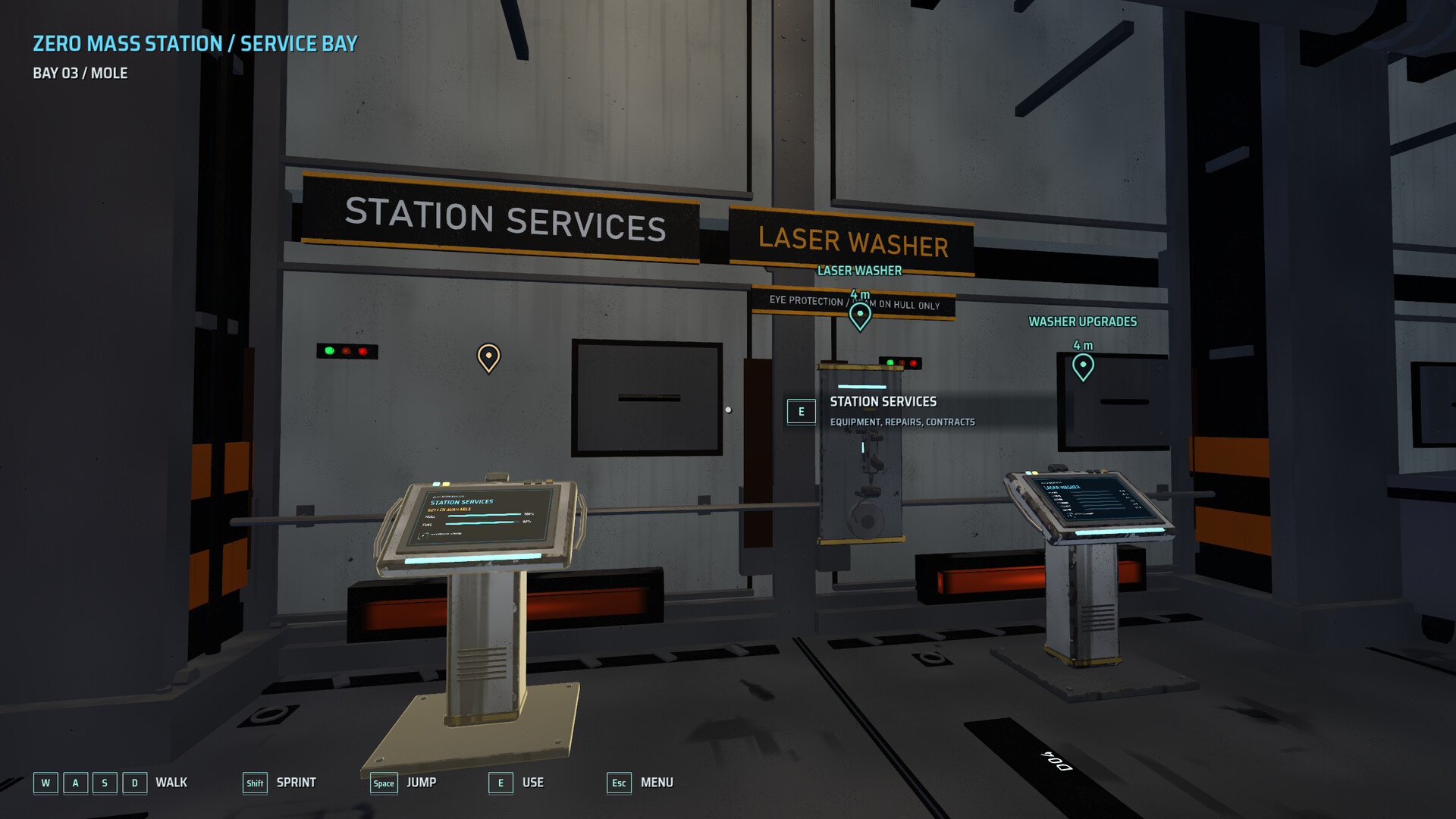
Deep Field Operations is the optional Full Shift expansion for Zero Mass. It keeps the free base loop—carve mass from 100% to 0%, haul ore, upgrade the ship, deploy drones and rigs—then stretches that fantasy across extensive asteroid fields built around massive excavation targets. This page is the practical guide: what Full Shift adds, how multi-body work differs from a single base-game rock, when to chase contracts versus free dig, where artifacts hide in large bodies, and how save/resume fits a long evening or a short delivery.
Requires the free Zero Mass base game. Typical Steam list price sits near $3.99 USD, with an introductory discount window on the store (confirm the live offer before buying). Pack context and the rest of the DLC lineup live on the DLC guide. Launch timing and early patch themes are summarized in launch notes. Brush up on cutting and haul discipline in the mining walkthrough before you undock into a Full Shift field.
Watch the short gameplay trailer embedded above for the scale of carving and industrial pacing, then use the sections below as a shift checklist on your save.
What Full Shift actually changes
Store framing is blunt: bigger rocks, a longer shift. Instead of finishing one modest site and moving on, you settle into a substantial worksite that grows with every haul. Your main asteroid is only part of the job. Surrounding bodies sit in the same field so you can move between targets, follow contract markers, or concentrate everything on one excavation until the silhouette collapses.
Expect:
- Largest asteroids with deep cavities, buried deposits, and visible silhouette change after each return trip
- Multi-body fields where the next load may come from a neighbor rock, not the face you just left
- Fleet work—drones and drilling rigs assigned while you decide where the ship itself is needed
- Contracts and free dig on the same worksite (deliveries, surveys, artifact recoveries, dismantlement)
- Persistent progress so you can clock out after one delivery or stay for a marathon evening
Nothing here replaces learning the free campaign. Finish a few base sites first so cooling, cargo, and automation habits are already solid.
Largest asteroids: dig like an industrial project
Huge bodies punish the habits that work on starter rocks. Sandpapering one pocket for twenty minutes barely moves the mass meter. Treat the rock as architecture:
- Orbit or strafe the silhouette; pick a face with room to open a cavity without trapping the ship.
- Open with bulk cuts that detach volume, not jewelry work on a single vein.
- When a cavity opens, expose deposits deliberately, then haul before greed overflows the hold.
- On return, resume the same excavation—the silhouette should look different each trip.
Large rocks also hide multiple finds. Pause after major peels to scan instead of obliterating a cavity that may contain an artifact. Artifact and survey habits from the base game still apply; the field simply gives you more rock to hide them in. See contracts, artifacts and research, hazards, and the mining walkthrough for job, discovery, and danger timing on any size rock.
Multi-body fields: concentrate or spread
Full Shift asks a real operations question: do you concentrate on one excavation until it is gone, or spread the fleet across the field?
Concentrate when:
- You are chasing a high-value deposit or a buried recovery on the main body
- Your drones and rigs are still few and need clear priorities
- Hazards or debris make hopping bodies expensive
Spread when:
- A contract points at a surrounding body while the main rock is mid-excavation
- Collection drones can sweep one face while you open another
- You want short sessions—knock out one delivery, save, leave the big cavity for later
Moving between bodies is not a failure of focus. It is the point of the field. Keep a mental map of which rock owns which objective so you do not strand a half-full hold on the wrong side of the worksite.
Fleet work: drones and rigs on a Full Shift site
Deep Field is where automation stops being optional flavor and becomes shift management. Assign mining drones and collection drones, plant drilling rigs, and balance active cutting with pickup and delivery. Your ship should fly the high-value work—precise deposits, hazard windows, docking vectors—while the fleet keeps mass ticking down on the faces you already opened.
Practical fleet rules for large fields:
- Give drones a clear assignment before you leave for a neighboring body
- Do not expand the fleet faster than you can fund cooling and cargo; a stalled swarm wastes silo ore
- Recheck priorities after every major contract complete so idle drones are not polishing a finished face
Full automation detail lives on drones and automation. Pair that page with ship upgrades so silo spending keeps thrust, tools, hold size, and cooling ahead of rock scale.
Contracts versus free dig
Deep Field explicitly supports both modes. Contracts layer deliveries, surveys, artifact recoveries, and dismantlement across the larger worksite. Free dig means staying for another haul because the cavity still pays.
Use contracts as prioritization, not as an excuse to abandon a 30% rock forever. Combine objectives where it makes sense—survey while you peel a shell, recover an artifact on the way to a delivery marker—then stay for free dig when the remaining mass is still worth the flight time.
If a contract pulls you to a surrounding body, decide whether the main excavation can idle under drones or needs you to finish a cavity first. That decision is the Full Shift skill ceiling.
Artifacts in large rocks
The largest asteroids hold multiple buried discoveries. Excavate toward scanner pings, recover artifacts from within the field, and feed research that shortens later scans and equipment unlocks. On a Full Shift site this compounds: better scanners make the next multi-body hop smarter, which fills the silo faster, which funds the next drone or cooling tier.
Do not treat artifacts as end-of-shift chores. Budget scan pauses into the cut cycle the same way you budget silo runs.
Save, resume, and clocking out
Full Shift is built for persistent progress. Save after a single delivery or after a long evening of excavation; the worksite waits. That design matters for real schedules: a thirty-minute session can clear a contract and bank ore without forcing a four-hour clear of the entire field.
Clock-out checklist:
- Bank cargo at the silo if the hold is valuable.
- Leave drones and rigs on sensible assignments (or park them if you will be away for a while).
- Note which body owns the next objective so resume is instant.
- Save, quit cleanly, come back when you have another block of time.
Price, discount window, and who should buy
Steam lists Deep Field Operations around $3.99 with a launch introductory offer (commonly −30%, ending around December 7, 2026—verify the live store timer). It is single-player expansion content; co-op still depends on Crew Operations if you want friends on the same rock. Always confirm regional pricing on the Deep Field store page (app 5518480).
Buy Deep Field if: you finished several base sites, already enjoy drones and contracts, and want multi-body Full Shift evenings. Skip for now if: you still have free-campaign missions and silo upgrades left—the base game already teaches the complete loop.
Related pages
- DLC guide — pack list, pricing philosophy, free-base completeness
- Mining walkthrough — contracts, artifacts, hazards, size choices
- Drones and automation — fleet assignments and rigs
- Launch notes — release story and early Steam polish
- Updates hub — news index
Bring upgraded tools, pick your contracts, open a cavity worth returning to, and let Full Shift turn one asteroid job into an operation that still feels good when you clock back in tomorrow.
Frequently Asked Questions
Quick answers to the most common Zero Mass questions.
Does Deep Field Operations require the base game?
Yes. Steam lists it as DLC that requires the free Zero Mass base game. Install and learn the free campaign before buying Full Shift content.
How much does Deep Field Operations cost?
Typical list price is about $3.99 USD. Watch the Steam introductory discount window (often ending around December 7, 2026) and confirm the live store price for your region.
What is Full Shift?
Full Shift is the Deep Field mode: extensive multi-body asteroid fields around massive excavation targets, with persistent saves so you can return after short or long sessions.
Should I finish contracts or keep free digging?
Use contracts to prioritize deliveries, surveys, recoveries, and dismantlement, then stay for free dig when remaining mass still pays. Combine objectives on the same worksite when you can.
Do drones matter more in Deep Field?
Yes. Large multi-body fields reward assigning mining and collection drones plus drilling rigs while your ship handles high-value cuts, hazards, and hauls. See the drones and automation guide.